
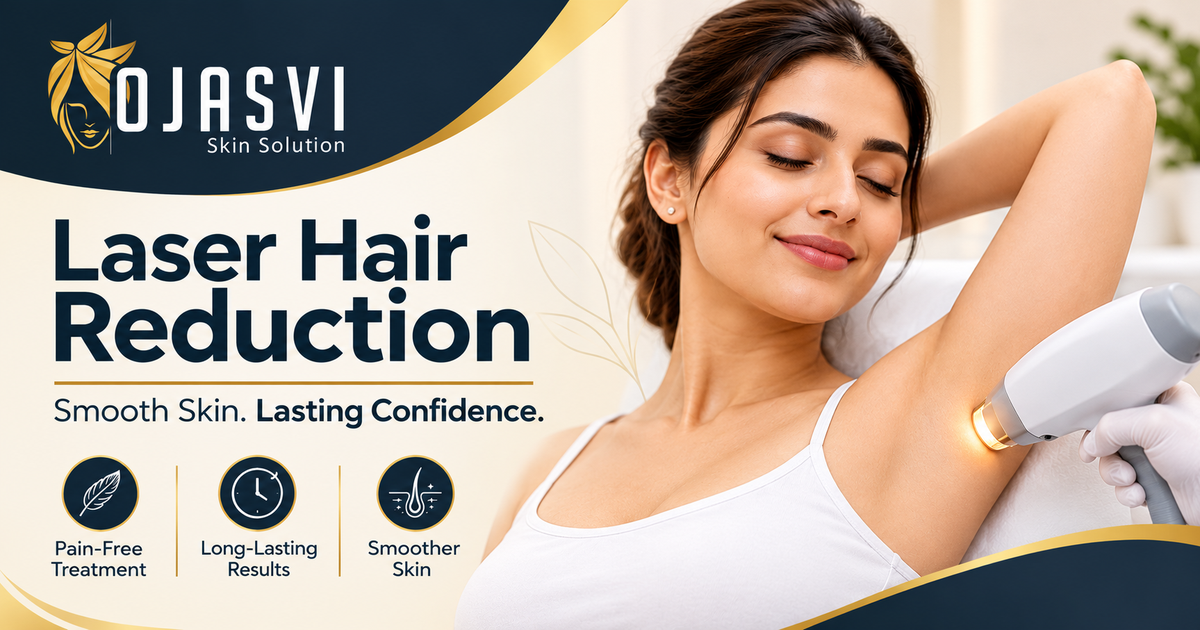
Laser hair reduction is an aesthetic procedure that uses concentrated light energy to target hair follicles and gradually reduce hair growth. It may be considered for unwanted hair on areas such as the face, upper lip, chin, underarms, arms, legs, back and bikini area. Unlike shaving or trimming, which only removes hair from the surface of the skin, laser hair reduction targets the follicle beneath the skin. However, the results vary from person to person.
Hair colour, hair thickness, skin tone, treatment area, hormonal factors and the hair-growth cycle can all influence the response. A consultation with a qualified dermatologist is important before starting laser hair reduction. The dermatologist can assess the skin and hair characteristics and explain whether the procedure is suitable.
How Does Laser Hair Reduction Work?
During the procedure, the laser emits light energy that is absorbed by the pigment in the hair. This energy is converted into heat and reaches the hair follicle. The process can reduce the follicle’s ability to produce new hair.
Hair grows in different phases, and laser treatment is generally more effective when the hair is in its active growth phase. Since all follicles are not active at the same time, multiple treatment sessions are usually required.
Laser hair reduction should not be described as guaranteed permanent hair removal. Many people experience long-term reduction in hair growth, while some hair may grow back over time. Regrowth may be finer or less noticeable, and maintenance sessions may sometimes be recommended.
Which Areas Can Be Treated?
Laser hair reduction may be considered for different facial and body areas, including:
- Upper lip and chin
- Underarms
- Arms and legs
- Back and chest
- Bikini area
- Intimate Area
- Beard Shaving
- Other areas recommended after assessment
The treatment time depends on the size of the area. Smaller areas may take only a few minutes, while larger areas may require more time.
Possible Benefits of Laser Hair Reduction
Laser hair reduction may provide the following benefits:
- Gradual reduction in unwanted hair growth
- Less dependence on frequent shaving or waxing
- Treatment of selected facial and body areas
- Short treatment time for smaller areas
- Minimal interruption to normal activities for many people
- A treatment plan based on individual skin and hair characteristics
The results are not identical for everyone. Thick, dark hair may respond differently from fine or light-coloured hair. Hormonal conditions can also influence hair growth and may require additional medical evaluation.
You can learn more about related laser treatments and other
skin and hair treatment options.
Is Laser Hair Reduction Safe?
Laser hair reduction is a medical procedure and should be performed by a trained professional who understands skin types, hair characteristics and laser settings.
Temporary redness, mild swelling, warmth or discomfort may occur after treatment. These effects often settle within a short period. However, incorrect settings or treatment by an inexperienced provider may increase the risk of burns, blistering, scarring or changes in skin colour.
Before treatment, inform the dermatologist if you have:
- A recent tan or sunburn
- A tendency to develop raised scars or keloids
- A history of cold sores
- An active skin infection
- Any skin condition in the treatment area
- A history of sensitivity to cosmetic procedures
- Current or recent medications, including acne medication
Do not start or stop any medicine without consulting a qualified medical professional.
How to Prepare for Laser Hair Reduction
The preparation instructions may vary depending on the treatment area and individual skin type. General guidance may include:
- Avoid unnecessary sun exposure and tanning
- Use broad-spectrum sunscreen as advised
- Avoid waxing, threading or plucking before treatment if instructed
- Inform the dermatologist about medicines and previous procedures
- Avoid irritating skincare products before the session if recommended
- Shave the area only when advised by the clinic
Waxing and plucking remove hair from the follicle, which may affect how the laser targets the hair. Therefore, the provider may recommend shaving instead. Always follow the instructions given during consultation.
What Happens During the Procedure?
Before the procedure, the treatment area is examined and cleansed. Protective eyewear is used to protect the eyes from laser energy.
During the session, the device is applied to the selected area. Some people describe the sensation as warmth, mild snapping or brief pinpricks. The level of discomfort may vary depending on the treatment area, hair thickness and personal sensitivity.
The number of sessions and the time between sessions depend on the hair-growth cycle and individual response. A dermatologist can recommend an appropriate schedule after assessing the treatment area.
Aftercare Following Laser Hair Reduction
The skin may appear slightly red or feel warm immediately after treatment. A cool compress may help reduce temporary discomfort if recommended by the provider.
After treatment, it may be important to:
- Protect the treated skin from direct sunlight
- Use sunscreen as advised
- Avoid tanning beds and intentional tanning
- Avoid harsh scrubs or irritating products for the recommended period
- Avoid unnecessary heat exposure if instructed
- Follow all personalised aftercare instructions
- Report severe pain, blistering or unusual swelling to the clinic
Sun protection is particularly important because treated skin may be more sensitive after the procedure.
Frequently Asked Questions
Is laser hair reduction permanent?
Laser hair reduction can provide long-term reduction in hair growth, but it should not be considered guaranteed permanent hair removal. Some hair may regrow, and maintenance sessions may be required.
How many sessions are required?
The number of sessions varies according to hair thickness, hair colour, skin type, treatment area, growth cycle and individual response. The treatment plan is decided after consultation.
Does laser hair reduction hurt?
Some people experience warmth, mild discomfort or brief pinprick-like sensations. The experience varies depending on the person and the treatment area.
Can laser hair reduction be performed on all skin tones?
Laser treatment may be considered for different skin tones, but the settings and precautions must be selected carefully. A dermatologist should assess the skin before treatment.
Can I wax between laser sessions?
Waxing and plucking may interfere with the treatment because they remove hair from the follicle. Follow the specific instructions provided by your dermatologist.
Is there any downtime? Many people return to their usual activities after treatment. Temporary redness or swelling may occur, so following the recommended aftercare is important.
Is laser hair reduction suitable for facial hair?
It may be suitable for some facial areas after assessment. Facial hair can sometimes be influenced by hormonal factors, so additional evaluation may be recommended.
Conclusion
Laser hair reduction can gradually reduce unwanted hair growth when performed with appropriate assessment, suitable settings and professional supervision. The expected results, number of sessions and treatment response vary between individuals. A dermatologist can help determine whether the procedure is suitable based on the skin type, hair characteristics, medical history and treatment goals. Following preparation and aftercare instructions may also help reduce irritation and other possible side effects.
For additional patient education, you can explore the skin and hair solutions,
doctor information and
patient health resources.
Disclaimer
This content is for general educational purposes only and should not be considered a diagnosis or personalised medical advice. Treatment suitability, number of sessions and results may vary from person to person. Please consult a qualified dermatologist for an individual assessment.